We’re pretty sure you’ve already faced this conundrum — you reach into the fridge to make that omelette, find that dozen eggs that have been there for quite a while, and wonder if they’re still good to use or if they’re on the verge of becoming a kitchen catastrophe. Before you give up on that omelette craving and toss the eggs in the bin, here are a few easy ways to check if they’re still safe to eat!
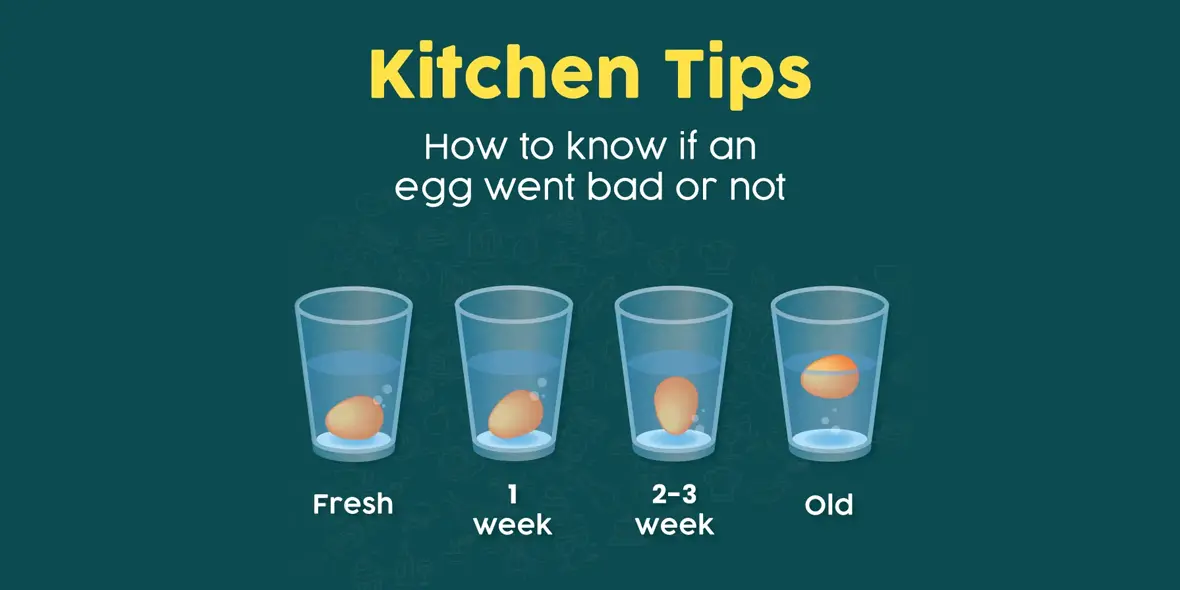
The float test – First up, grab a bowl of water, drop one egg in, and watch. If it sinks and lays flat on the bottom, it’s still fresh. If the egg sinks but stands upright, it’s still okay to use, but it might not be at its peak freshness. However, if it floats to the top, it means it’s ready to be retired from your fridge.
The shake test – Hold the egg up to your ear and give it a little shake, like you’re trying to hear the ocean in a seashell. A fresh egg will be silent, but if you hear a sloshing sound, that’s clearly a bad sign.
The sniff test – Give it a sniff. Why? Because the nose knows! Indeed, if there’s no smell, or it just smells eggy, you’re in the clear! But if you catch a sour or weird stank, it’s time to abort mission.
The visual test – Take a good look at the egg’s shell. If it’s clean and smooth, all good! But if you see cracks or sliminess, nope. That egg is a hard pass.
The crack test – Crack the egg open. It’s a last resort, but the result is clear-cut. A fresh one will have a bright yellow or orange yolk and slightly cloudy whites. But if the whites are watery or the yolk looks discoloured, it’s a no-go.
There, you go! Now, you can confidently determine if your eggs are still good to use or if they’ve reached their expiration date. We’ve shared our knowledge, so now it’s time for you to make us that omelette.